Energy-Efficient Roofing in Clarksville, TN
By Marcus A. Trent · Updated 2026 · Roofing Guide
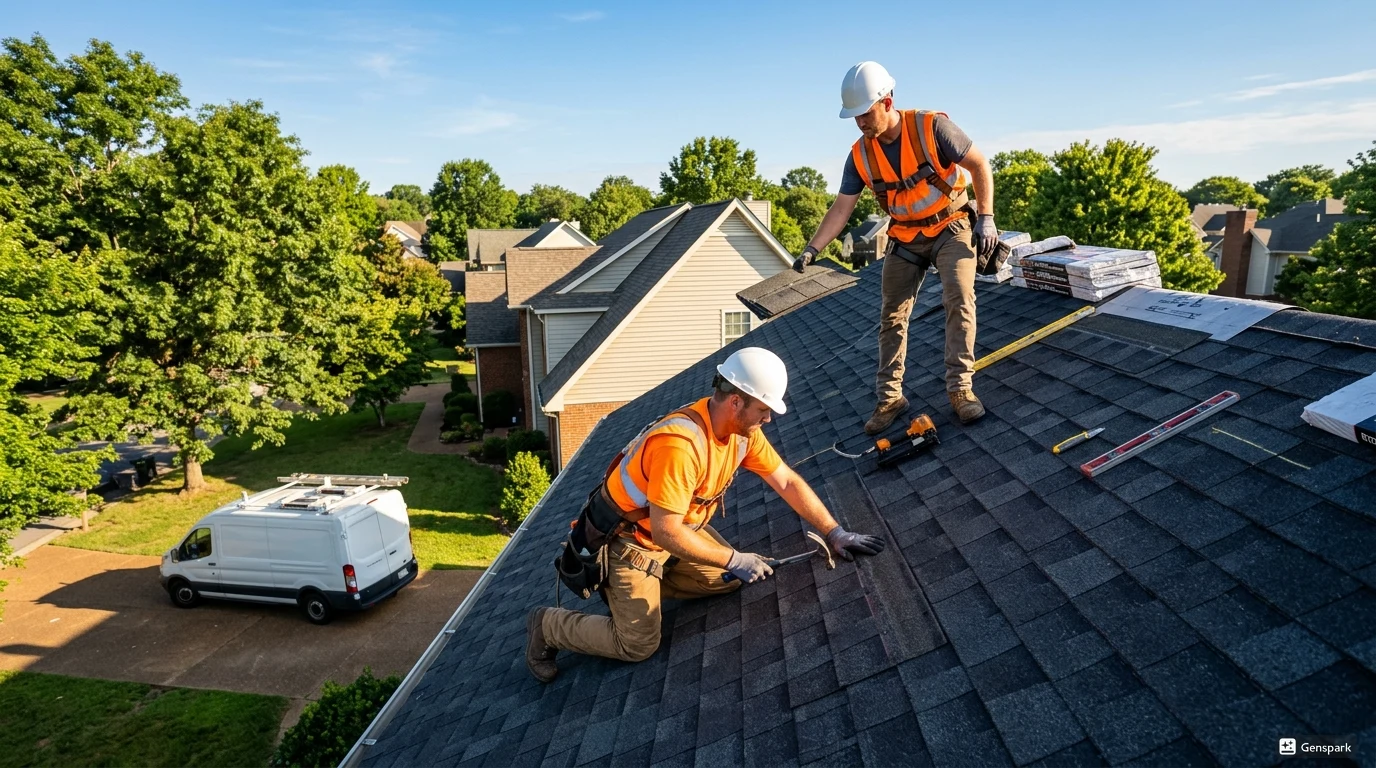
Your roof does more than keep rain out. It also affects your energy bills. A hot attic in summer means your AC works harder. A cold attic in winter means heat escapes. The right roofing materials can lower both. In Clarksville, where summer AC bills can hit available upon request a month, energye cient roofing pays for itself.
We have been installing energy-efficient roofing in Clarksville since 2003. We know what works in our climate. Light-colored shingles. Metal roofing. Radiant barriers. Ridge vents. All of it. We have seen homeowners cut their cooling costs by 15 to 20 percent just by switching to a reflective roof.
This article covers energy-efficient roofing in Clarksville. How to lower your bills. What materials to choose. And how we can help. Call (931) 666-1469 for a free estimate.
How Roofing Affects Energy Bills in Clarksville
Let us start with summer. Clarksville hits 95 degrees with high humidity. Your attic acts like an oven. Heat from the sun hits your roof. That heat transfers through the shingles and decking into the attic. The attic temperature can hit 140 to 150 degrees. That heat then transfers into your living space through the ceiling. Your AC works overtime to remove it.
We have measured attic temperatures in homes o Tiny Town Road. On a 95-degree day, an attic with dark shingles and poor ventilation was 148 degrees. The same home after a new light-colored shingle roof and ridge vents was 108 degrees. That forty-degree difference translates directly into AC savings.
The solution is to reflect sunlight before it becomes heat. Light-colored shingles reflect more sunlight than dark ones. A white or light gray shingle can be 20 degrees cooler than a black shingle. That lower temperature reduces attic heat. GAF and Owens Corning both offer coolroof rated shingles.
Metal roofing is even better. A light-colored metal roof reflects up to 70 percent of solar radiation. That is called cool roofing. The surface temperature can be 50 degrees cooler than dark asphalt. We have installed white standing seam metal roofs on homes near the Red River.
The homeowners reported AC bills dropping by varies to varies per month in July and August.
Radiant barriers are another option. A radiant barrier is a reflective foil installed under the roof decking or on top of attic insulation. It reflects radiant heat back toward the roof. Attic temperatures drop by 20 to 30 degrees. Cost is priced competitively to is project-dependent — contact us for a free estimate for a typical home.
Ventilation also matters. Ridge vents and so t vents allow hot air to escape. A well-ventilated attic can be 20 degrees cooler than a poorly ventilated one. We add ridge vents to almost every roof replacement we do.
In winter, the goal is to keep heat in. Dark shingles absorb sunlight and help melt snow.
Insulation and ventilation prevent ice dams. Energy-efficient roofing works year-round. The same reflective roof that keeps you cool in summer also helps prevent ice dams in winter by keeping the roof deck cold (snow melts slower, reducing ice dam risk).
Fort Campbell families, energy-efficient roofing may qualify for tax credits. The federal credit expired but may be renewed. Some local utilities offer rebates for cool roofing. We help you check.
How We Install Energy-Efficient Roofing (Step by Step)
- Material selection. Cool-roof shingles (light colors from GAF or Owens Corning). Metal
roofing (white or light gray). Radiant barriers. Ridge vents. We help you choose based on your budget and goals.
- Tear-o and decking. Same as any roof replacement. We strip to the deck. Replace rotted
wood. Cost is varies to priced competitively per sheet.
the rafters. This reflects heat. We leave a 1-inch gap at the ridge for ventilation. We also offer a perforated radiant barrier that allows moisture to pass. Cost is available upon request to varies by project size and complexity.
- Underlayment. Synthetic felt. Ice shield in valleys and eaves.
- Shingle or metal installation. Light-colored materials. For shingles, we choose cool-roof
rated products (Energy Star). For metal, we choose Kynar 500 white or light gray.
baffles to keep insulation from blocking so t air ow. Cost for ventilation upgrades is priced competitively to available upon request.
- Insulation check. We recommend adding attic insulation to at least R-38 (12 to 14 inches
of berglass or cellulose). We do not install insulation, but we can refer you to a local insulation contractor. Cost is typically depends on your specific roof to varies based on scope and materials.
- Final inspection. We check attic temperature again. It should be much closer to outside
temperature. We also check for air leaks (around attic hatch, plumbing vents) and recommend sealing them.
Why Hire a Local Clarksville Roofer for Energy-Efficient Roofing?
We understand the science. We know which materials work in our climate. Dark shingles are terrible for Clarksville summers. We have seen the data. We also know the local building codes for ventilation and insulation.
We are also certified installers for cool-roof products. That matters for manufacturer warranties and tax credits.
For Fort Campbell families, we offer a military discount. Energy savings plus discount equals real value. A varies by project size and complexity roof that saves you varies a year in AC bills pays for itself in energy savings over its life.
Frequently Asked Questions
How much can energy-efficient roofing lower my bills?
10 to 20 percent on cooling costs in summer. On a priced competitively monthly AC bill, that is varies to varies per month, or available upon request to varies per summer. Less in winter. The exact savings depend on your home's insulation and ventilation.
Do light-colored shingles get dirty?
Depends on your budget, HOA rules, and roof pitch. Asphalt shingles are most popular and cost-effective in Clarksville, TN. Metal lasts longer but costs more upfront. We carry GAF, Owens Corning, and several specialty products. We walk you through all options during your free estimate.
- Free energy audit. We go into your attic with a thermometer and moisture meter. We
measure temperatures. We check insulation levels (should be R-38 or 12-14 inches of berglass). We assess ventilation. We give you a written report.
A: Yes. Dark algae stains are visible on light shingles. But we install algae-resistant shingles (GAF StainGuard or Owens Corning StreakGuard). They prevent stains for 10 to 15 years.
Does energy-efficient roofing qualify for tax credits?
The federal energy tax credit for roofing expired at the end of 2021. It may be renewed. Check with your tax professional. Some local utilities offer rebates for cool roofing. Clarksville Department of Electricity may have programs. We help you check.
Is metal roofing more energy-efficient than asphalt?
Yes, especially light-colored metal. Metal reflects more sunlight. It also allows air circulation underneath if installed with furring strips. That increases efficiency. A white standing seam metal roof is the most energy-efficient option.
Do I need a radiant barrier if I have a metal roof?
No. Metal roofs already reflect most sunlight. A radiant barrier adds some benefit but may not be cost-effective. The payback period is longer. We usually recommend radiant barriers for asphalt shingle roofs only.
How much does energy-efficient roofing cost more than standard?
Light-colored shingles cost the same as dark shingles. No premium. Metal roofing costs more upfront (varies by project size and complexity to is project-dependent — contact us for a free estimate vs varies depending on materials and labor to depends on your specific roof for asphalt) but saves energy over time. Radiant barrier adds available upon request to varies by project size and complexity. Ventilation upgrades add priced competitively to available upon request.
Ready for a free estimate from a licensed Clarksville roofer?
Call (931) 666-1469