How to Spot a Bad Roofing Company in Clarksville, TN - 10 Red Flags
By Marcus A. Trent · Updated 2026 · Roofing Guide
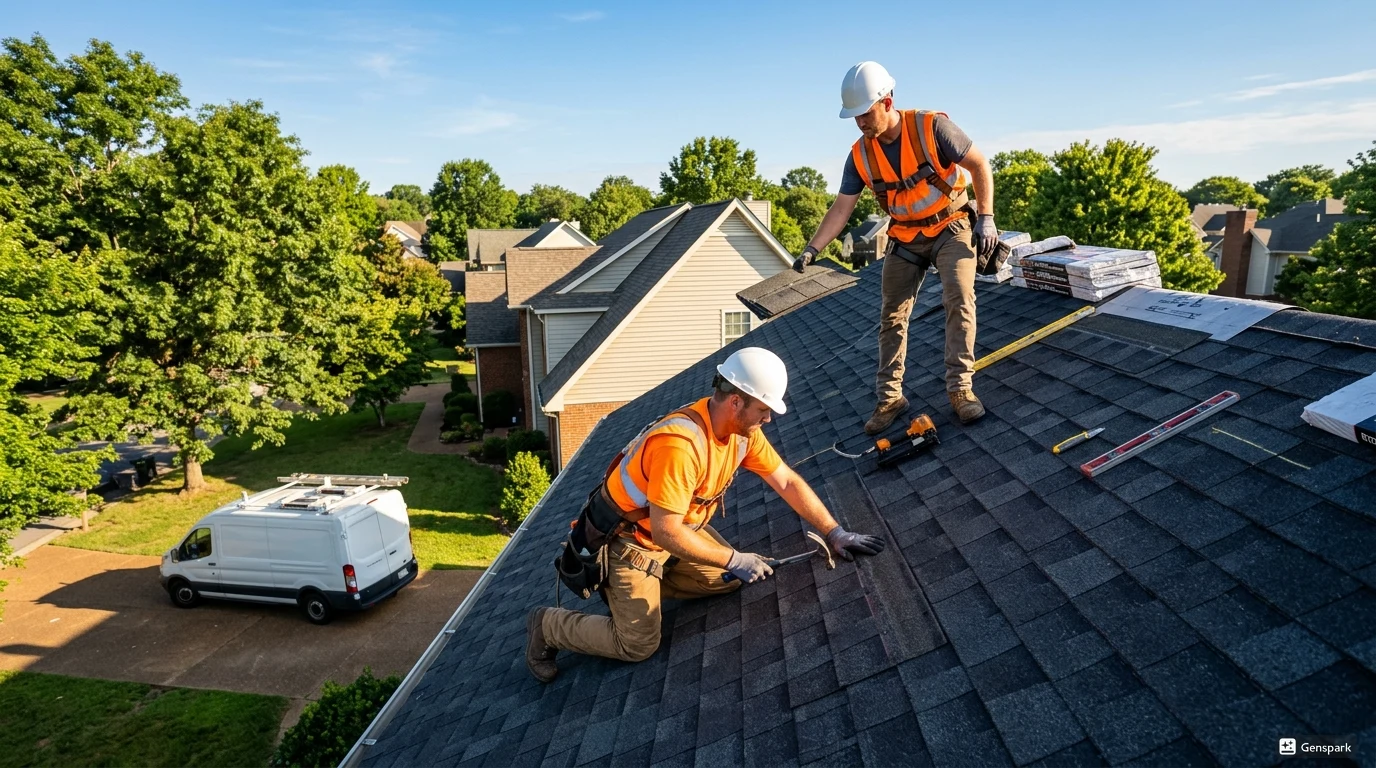
Clarksville, TN gets hit with hailstorms and severe weather every year. Within days of a major storm, the phone rings with contractors you have never heard of offering quick repairs. Some are legitimate. Many are not. Here are the 10 red flags that separate predatory contractors from the real ones - and how to verify any roofer before signing anything.
Storm chasers follow severe weather events and canvass neighborhoods. They are often from out of state, have no ongoing presence in Clarksville, and disappear when warranty claims arise. Legitimate local roofers do not need to cold-canvass because they have a reputation that generates calls.
This is illegal in Tennessee under TCA §56-53-101. Any contractor offering to absorb your deductible is committing insurance fraud - and so are you if you accept. Legitimate contractors cannot legally offer this. If they do, it is a disqualifying red flag regardless of anything else they promise.
All contractors doing work over depends on your specific roof in Tennessee must be licensed with the TN Dept. of Commerce and Insurance. Ask for the license number. Look it up at tn.gov/commerce/regboards/contractors.html. If they hedge, make excuses, or the license does not come up - stop there.
You want two separate documents: general liability insurance (covers damage to your property during the job) and workers' compensation insurance (covers injuries to workers on your property). Ask for certificates naming you as an additional insured. If they resist or delay - they probably do not have it.
A small deposit is normal. Demanding 50% or more upfront - especially in cash - is a major warning sign. Some operators collect deposits and never start the job, or start and then walk off mid-project. Payment should be tied to project milestones, with final payment only after you inspect the completed work.
Verbal agreements are not enforceable for work of this size. A legitimate contractor provides a detailed written contract specifying materials (brand, line, color), scope of work, timeline, price, payment schedule, and warranty terms. If they push back on putting anything in writing, walk away.
"This price is only good if you sign right now" is a high-pressure sales tactic. A roofing job is a major financial decision. A reputable contractor will give you time to get multiple bids and review the contract without pressure. Urgency is manufactured to prevent you from doing due diligence.
Storm chasers often have a P.O. box or a rented office address with no physical presence. Check Google Maps: does their business location look real? Check their Google reviews - when were the reviews posted? A burst of reviews all in the same week after a storm is a red flag. Reviews over years from different sources indicate a legitimate operation.
Low-ball estimates often involve cutting corners - cheaper materials, no underlayment, skipping decking repair. High estimates after storms can reflect price gouging. Get 3 bids for any job over varies based on scope and materials. If one bid is 30%+ below or above the others, ask why. A legitimate contractor can justify every line item.
You should know the shingle brand, product line, and color before any contract is signed. Vague language like "30-year architectural shingle" without a brand name allows substitution of cheaper materials once work begins. Legitimate contractors specify GAF Timberline HDZ, Owens Corning Duration, CertainTeed Landmark, or equivalent - by name.
Go to tn.gov/commerce/regboards/contractors.html and search by company name or license number. Verify the license is active, not expired, and covers roofing work.
✓ Step 2: Insurance Certificate
Ask for a Certificate of Insurance for General Liability and Workers' Comp. Call the insurance company listed to verify the policy is current. This takes 5 minutes and eliminates a huge risk.
Look for a pattern of reviews over at least 2 years. Check the BBB (bbb.org) for any complaints. Ask the contractor for 3 local references from jobs completed in the last 12 months - and actually call them.
✓ Step 4: Get 3 Written Bids
Compare bids side by side. Look at the materials specified, warranty terms, and what happens if they find rotted decking. The lowest bid is not always the best value - especially on a roof that needs to last 25–30 years.
Structure payments around milestones: deposit at signing (10–15%), payment when materials are delivered, payment when tear-off is complete, final payment only after you walk the completed roof with the contractor and sign off.
What Tennessee Law Says About Roofing Contractors
Tennessee's Home Improvement Act requires any contractor doing residential work over varies by project size and complexity to be licensed by the TN Dept. of Commerce and Insurance. Violations can result in civil and criminal penalties. The state also maintains the Tennessee Consumer Protection Act which covers contractor fraud.
For insurance claims specifically: TCA §56-53-101 prohibits any contractor from directly or indirectly inducing a homeowner to file an insurance claim by offering to waive the deductible. Violation is a Class A misdemeanor for the contractor. Tennessee is one of the stricter states on this.
FAQ
How do you spot a bad roofing company?
Red flags: door-knocker after storms, offers to waive deductible (illegal in TN), no verifiable license, demands cash upfront, no written contract, pressure to sign same-day, no local track record. Verify any contractor at tn.gov/commerce/regboards/contractors.html before signing anything.
Is waiving a deductible illegal in Tennessee?
Yes. Tennessee Code Annotated §56-53-101 makes it a Class A misdemeanor for a contractor to offer to waive, absorb, or rebate a homeowner's insurance deductible. Any contractor making this offer is committing fraud.
How do I check a roofer's license in Tennessee?
Use the TN Dept. of Commerce license lookup at tn.gov/commerce/regboards/contractors.html. Search by contractor name or license number. Verify the license is active and not expired.
What is a storm chaser roofer?
Storm chasers are contractors (often from out of state) who follow severe weather and canvass affected neighborhoods. They take jobs they cannot complete or service, then move on. After a Clarksville hail event, you may see a flood of them within days.
What should a roofing contract include?
Specific material brand and product line, scope of work (tear-off layers, decking repair policy), start and completion dates, total price and payment schedule, workmanship warranty, manufacturer warranty, and the contractor's TN license number and insurance information.
Do roofing companies in Clarksville, TN, need to follow any specific Montgomery County regulations when it comes to permits and inspections?
Yes, roofing companies in Clarksville, TN, must comply with Montgomery County's building codes and regulations, which include obtaining necessary permits and undergoing inspections to ensure work meets local standards, particularly in areas prone to severe weather and heavy rainfall like the Cumberland River floodplain.
Licensed, insured, and locally rooted in Clarksville, TN. Free roof estimates - no pressure, no sales tactics.
(931) 666-1469 - Call for a Free EstimateMarcus has installed and inspected roofing systems across Tennessee for over 14 years. He focuses on storm-resilient materials and helping homeowners avoid contractor fraud after severe weather.