Roofing Materials Comparison for Clarksville, TN
By Marcus A. Trent · Updated 2026 · Roofing Guide
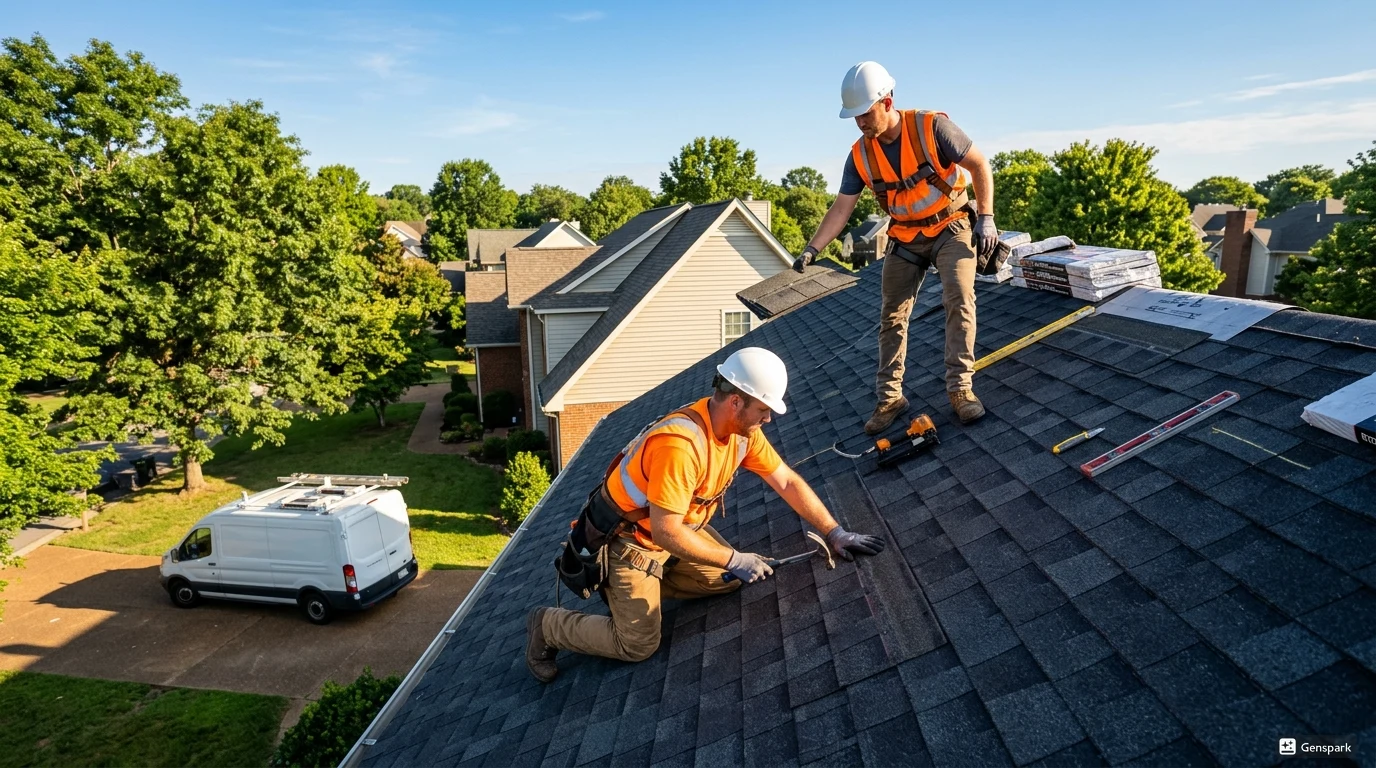
Asphalt shingles are the most common. Metal is growing in popularity. Tile and slate are rare but beautiful. So which is best for your Clarksville home? The answer depends on your budget, how long you plan to stay, your home's structure, and your aesthetic preferences.
We have installed all of them. We know the pros and cons. We know what works in our climate (hot summers, hail, wind, ice) and what does not. We have seen metal roofs that look great after 30 years and asphalt roofs that failed at 12 because of poor ventilation.
This article compares roofing materials for Clarksville homes. Asphalt. Metal. Tile. Slate. Flat roof membranes. Call (931) 666-1469 for a free consultation.
Roofing Material Comparison for Clarksville
Let us go through each option in detail.
Asphalt shingles (architectural). Most popular. Cost: is project-dependent — contact us for a free estimate to varies depending on materials and labor for a 2,000 sq ft home. Lifespan: 15 to 18 years in Clarksville. Pros: affordable, good appearance, easy to repair, widely available. Cons: shorter lifespan, vulnerable to hail (though impact-resistant options exist), not energy-efficient unless light-colored. Best for: most homes, especially if you plan to move within 10 years.
Asphalt shingles (3-tab). Cheaper but inferior. Cost: depends on your specific roof to varies based on scope and materials. Lifespan: 12 to 15 years. Pros: low upfront cost. Cons: thin, low wind rating (60 mph), looks at, fails faster. We do not recommend. The savings are not worth it.
Metal roofing (standing seam). Premium option. Cost: varies by project size and complexity to is project-dependent — contact us for a free estimate for a 2,000 sq ft home. Lifespan: 40 to 50 years. Pros: extremely durable, energy-efficient (reflects heat), hailresistant (Class 4), sleek look. Cons: expensive, can be noisy in rain (though insulation helps), requires specialized installer. Best for: long-term homeowners (10+ years), homes with simple roof lines (standing seam is harder on complex roofs).
Metal roofing (corrugated with exposed fasteners). Cheaper metal. Cost: varies depending on materials and labor to depends on your specific roof. Lifespan: 20 to 25 years (fasteners fail sooner). Pros: lower cost than standing seam.
Cons: exposed screws leak over time (rubber washers dry rot), not as attractive. We only recommend for barns, sheds, and outbuildings, not homes.
Clay or concrete tile. Heavy, beautiful. Cost: varies based on scope and materials to varies by project size and complexity. Lifespan: 50 to 100 years.
Pros: extremely durable, re-resistant, timeless look, energy-efficient (air gap underneath).
Cons: heavy (needs structural reinforcement, add is project-dependent — contact us for a free estimate to varies depending on materials and labor), expensive, brittle (hail can crack), requires specialized installer. Best for: historic homes, custom builds, or if you want a roof that outlasts you.
Slate. Natural stone. Cost: depends on your specific roof to varies based on scope and materials. Lifespan: 75 to 100+ years. Pros: beautiful, extremely durable, reproof. Cons: very heavy (needs structural reinforcement), very expensive, requires specialized installer (few do it), repairs are difficult. Rare in Clarksville. Only for highend historic homes.
TPO/EPDM ( at roofs). For low-slope roofs (2/12 or less). Cost: varies to varies per sq ft.
Lifespan: 15 to 20 years. Pros: affordable for at roofs, energy-efficient (TPO is white), seamless. Cons: not for steep roofs, can be punctured, requires professional installation. Best for: commercial or residential at roofs (additions, porches, mid-century moderns).
Fort Campbell families, asphalt shingles are the standard on base. Metal is allowed but less common. Tile and slate are too heavy for most base housing.
How to Choose the Right Material (Step by Step)
- Consider your budget. Asphalt is the most affordable upfront. Metal costs double but
lasts triple. Over 40 years, metal is cheaper (one metal roof vs three asphalt roofs). But upfront cash ow matters.
- Consider how long you will stay. If you plan to move in 5 years, asphalt is ne. If this is
your forever home, metal or tile may be worth it. A metal roof adds resale value.
roof may need reinforcement. Asphalt and metal are lighter (200-300 lbs per square). Get a structural engineer if considering tile.
- Consider your neighborhood. Historic district may have restrictions (slate or tile only).
New subdivisions may have HOA rules (asphalt only). Check before you choose.
absorbs it. In Clarksville's summer, a reflective roof can lower AC bills by 15-20%.
refer you to specialists. Get at least three quotes.
We are not biased. We install asphalt and metal. We will give you honest pros and cons. We will not push the most expensive option unless it makes sense for your situation.
We also have relationships with suppliers for all these materials. We can get samples. We can show you what each looks like on your home.
For Fort Campbell families, we help you choose materials that meet base specifications.
Asphalt is always approved. Metal requires approval.
Frequently Asked Questions
What is the best roofing material for Clarksville's climate?
Light-colored architectural asphalt shingles or light-colored standing seam metal. Both handle heat, hail, and wind well. Metal is better for longevity. Asphalt is better for budget.
Is metal roofing worth the extra cost?
If you plan to stay in your home for 20+ years, yes. Metal costs double (varies by project size and complexity vs is project-dependent — contact us for a free estimate) but lasts triple (40 years vs 15 years). Over 40 years, you buy one metal roof or three asphalt roofs. Metal is cheaper in the long run.
Can I mix materials on my roof?
Yes, but it looks odd. Some homes have metal on low-slope sections (porches) and asphalt on steep sections. We can do that. The transition must be ashed properly.
What is the most hail-resistant roofing material?
Metal (Class 4) and impact-resistant asphalt (Class 4, like GAF ArmorShield or Owens Corning Duration Storm). Tile and slate can crack. Standard asphalt will be damaged by golf ball hail.
What is the most energy-efficient roofing material?
White metal (standing seam) or white TPO ( at roofs). Both reflect up to 70% of solar radiation. Light-colored asphalt reflects less (about 30%) but still helps.
Can I put metal roofing over asphalt shingles?
No. Montgomery County code requires tear-o for any new roof. Also, you need to inspect decking for rot. Also, metal needs furring strips for ventilation. Tear-o is required.
Ready for a free estimate from a licensed Clarksville roofer?
Call (931) 666-1469