Roof Flashing Repair in Clarksville, TN
By Marcus A. Trent · Updated 2026 · Roofing Guide
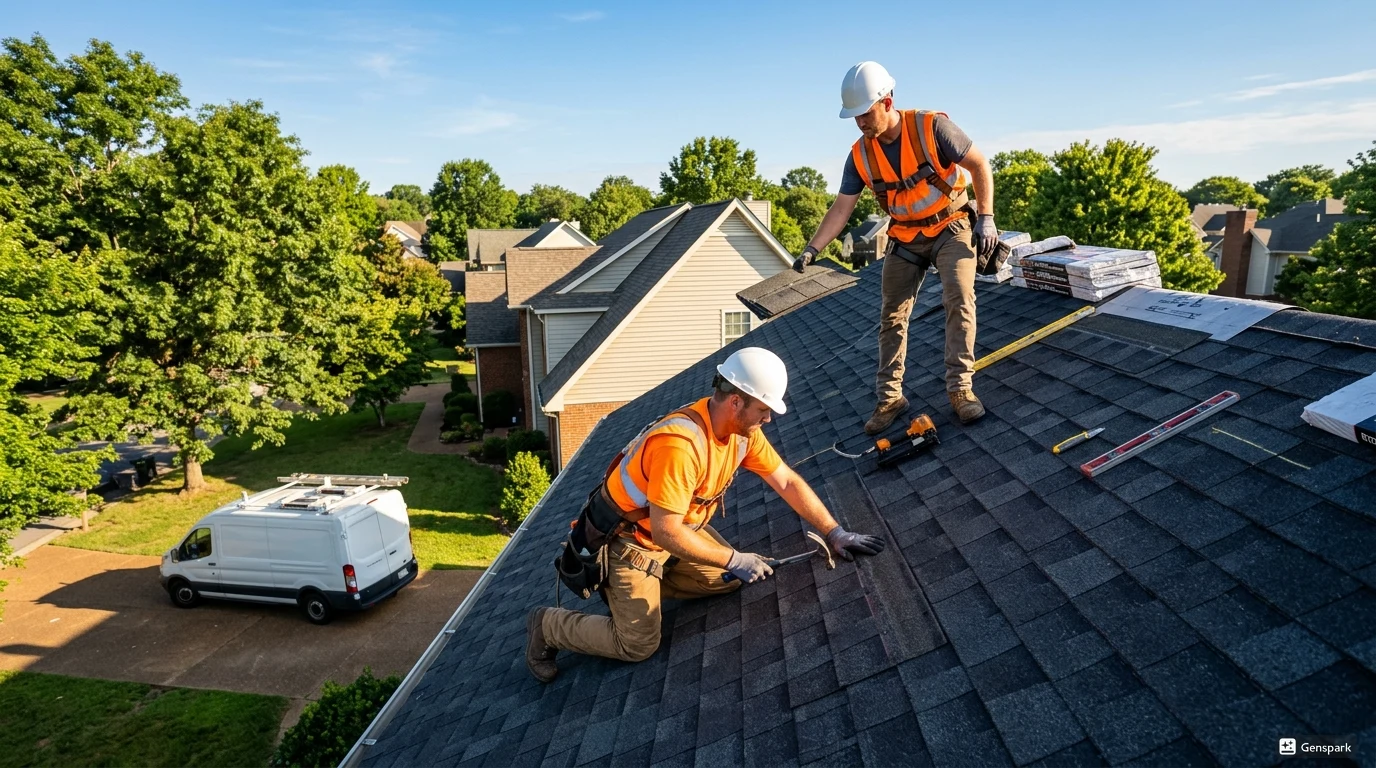
Flashing is the unsung hero of your roof. It is the metal that directs water away from chimneys, vents, skylights, and valleys. When flashing fails, water gets in. And water intrusion at flashing points is responsible for a huge percentage of roof leaks we x in Clarksville.
We have been repairing and replacing roof flashing since 2003. We have seen every type of failure. Rusted steel. Lifted aluminum. Improperly installed step flashing. Missing counterashing. And the worst: someone tried to fix it with caulk.
This article covers roof flashing repair in Clarksville. Where flashing fails. How we fix it. And why caulk is not a solution. Call (931) 666-1469 for a free estimate.
The Five Places Flashing Fails in Clarksville
Let us run through the most common failure points we see on local homes.
First: chimneys. Masonry chimneys expand and contract with temperature changes. The metal flashing around the base is supposed to move with it. But over time, the mortar cracks. The flashing pulls away. Water runs behind it. We see this constantly on older homes near downtown Clarksville. The x is new step flashing and counter- flashing cut into the mortar. Not caulk.
Second: valleys. Where two roof slopes meet, water concentrates. Valley flashing is usually metal (galvanized steel or aluminum) or a woven shingle pattern. Metal valleys rust. Woven valleys leak when the shingles crack. We repair by installing new metal valley flashing with a Wchannel design. It lasts 30 years.
Third: dormers. Dormers have sidewalls that intersect the main roof. Step flashing is installed between the shingles and the wall. When step flashing fails, water runs down the wall and behind the flashing. We see this on homes o Tiny Town Road built in the 1990s. The x is to remove the siding or brick veneer at the bottom, install new step flashing, and re-seal.
Fourth: vents and pipes. Every plumbing vent, attic fan, and exhaust pipe has a metal or rubber flashing. Rubber boots dry rot in our summer heat. Metal collars rust. We replace them with new boots or collars. The cost is minimal. The damage from ignoring them is not.
Fifth: skylights. Skylight flashing kits are specific to the skylight brand. If the flashing fails, water gets in. Sometimes the curb (the wooden frame) rots. We replace the flashing or the entire skylight depending on the damage.
Fort Campbell homes have all these failure points plus some unique ones. Base housing often has low-slope roof sections that transition to steep slopes. The flashing at those transitions fails frequently. We have repaired dozens of them.
How We Repair Flashing (Step by Step)
What is the best gutter material for Clarksville?
Seamless aluminum. It does not rust. It is lightweight. It comes in many colors. It lasts 20 to 30 years. Copper is beautiful but expensive. Steel is heavy and rusts. Vinyl is cheap but cracks in our winter cold. Aluminum is the sweet spot.
- We inspect the entire roof. Flashing failure is often a symptom of a larger problem. We
look at all flashings. We also check the shingles around them.
whether repair or replacement is needed.
clean the area. We remove any old caulk or sealant (which has probably failed).
have caused rot. We replace rotted wood. We also check for mold.
from aluminum coil stock. For valleys, we install pre-formed W-channel metal. For vents, we buy new rubber boots or metal collars.
- We install the new flashing. Step flashing gets interleaved with shingles. Valley flashing
gets nailed at the edges only (never in the center). Chimney flashing gets cut into the mortar with a grinder, then sealed with urethane cement.
- We test the repair. We use a garden hose to simulate rain. We spray the repaired area for
ve minutes while someone watches the attic. No water? Good.
years against leaks.
Flashing is detail work. It is easy to do wrong. Many roofers rush it. They use caulk instead of proper metal. They nail through the center of valley flashing. They leave gaps at corners. Then the homeowner has a leak.
We do it right because we have done it thousands of times. Our crews know how to cut counter- flashing into brick. They know how to bend step flashing for a perfect t. They know which sealants work in Clarksville's heat and which ones fail.
Also, we know the local code. Montgomery County requires specific flashing materials.
Galvanized steel for valleys. Aluminum for step flashing. Copper for historic districts. We follow the code.
Fort Campbell families, we have repaired flashing on base housing many times. The housing office requires a licensed roofer for any flashing work because of the liability. We are on their list.
Frequently Asked Questions
How much does roof flashing repair cost in Clarksville?
Vent boot replacement runs available upon request to varies. Chimney flashing replacement runs priced competitively to available upon request. Valley flashing repair runs varies to priced competitively. Skylight flashing runs available upon request to varies. These prices include inspection, removal of old flashing, installation of new, and testing.
Flashing repair is not a DIY job. Here is how we do it.
Can I just use roofing cement to x flashing?
No. Roofing cement is a temporary band-aid. It cracks in our summer heat. It shrinks in winter cold. Within a year, it fails. Replace the flashing properly. Pay once. Cry once.
How long does flashing last on a Clarksville roof?
Aluminum flashing lasts 20 to 30 years. Galvanized steel lasts 15 to 25 years before rusting. Copper lasts 50+ years but is expensive. Rubber vent boots last 8 to 10 years. That is why we see so many boot failures.
How do I know if my chimney flashing is leaking?
Look for white staining on the brick below the flashing. That is e orescence, caused by water leaching minerals. Also look for rust stains. Also look for gaps between the flashing and the brick. If you see any of these, call us.
Do I need to replace flashing when I get a new roof?
Yes. Always. Flashing is part of the roofing system. Reusing old flashing on a new roof is false economy. The new shingles will outlast the old flashing. Then the flashing fails and you have a leak. Replace it all at once.
What is the difference between step flashing and counter- flashing?
Step flashing is L-shaped metal pieces installed between each course of shingles against a wall. Counter- flashing is a second layer that covers the top of the step flashing and is embedded in the wall (brick or stucco). Both are needed for a proper wall-to-roof transition.
Ready for a free estimate from a licensed Clarksville roofer?
Call (931) 666-1469